How to Stage an Office Space for Viewings and Tenant Events
An empty office is one of the hardest things to sell. Staging a space correctly - with the right furniture, atmosphere, and presentation - can be the difference between a viewing that converts and one that does not. This guide explains how to stage office spaces effectively for viewings and tenant events.

Table of Contents

Why staging matters for office viewings
Empty office spaces are hard to sell. Prospective tenants and buyers stand in an empty shell and try to imagine how it would work for their team. Some can do this; most cannot. A well-staged office removes the imagination gap and makes the decision significantly easier.
Staging for commercial office viewings is not the same as residential home staging - it is not about soft furnishings and scented candles. It is about demonstrating how the space works. Showing where people sit, how meetings happen, where the breakout areas are, and how the flow between zones functions. Done well, it turns a tour from a question mark into a confirmation.
What to include in a staged office space
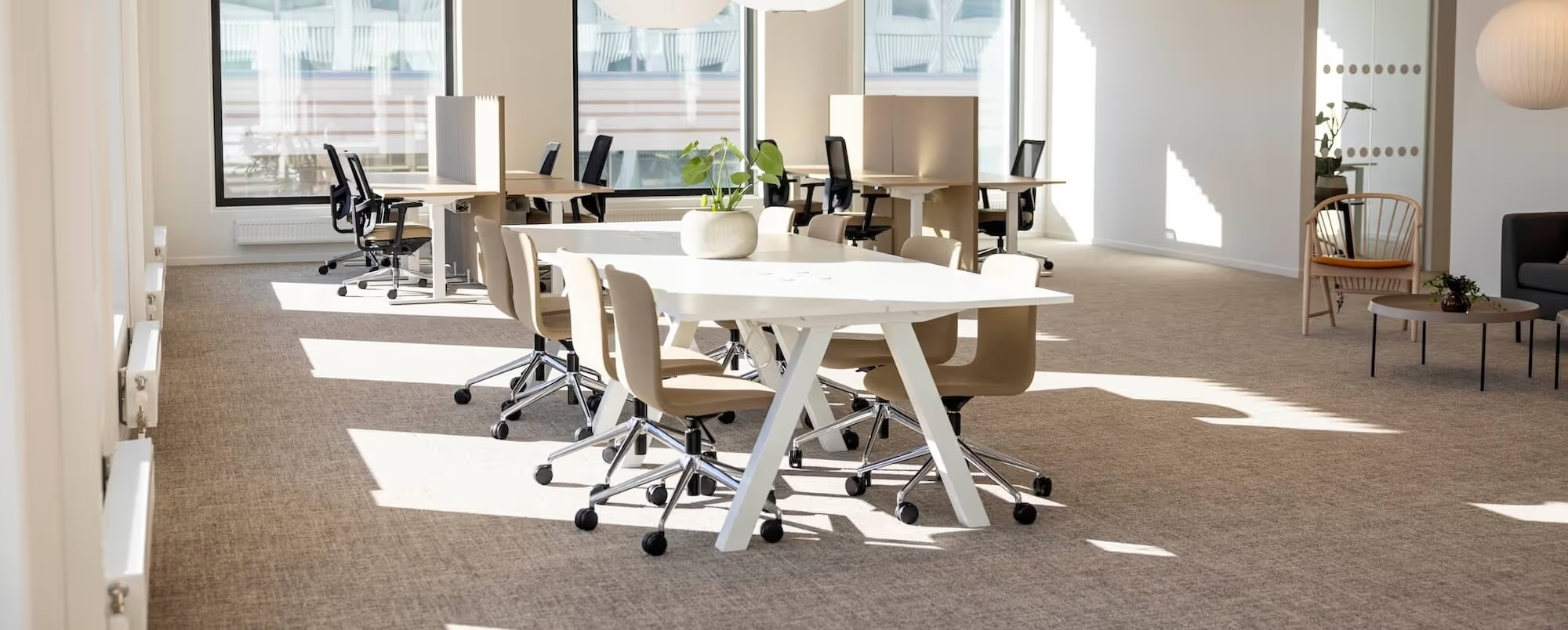
- Workstations. A configured bank of desks with chairs gives prospective tenants an immediate sense of capacity and density. It also answers one of the first questions any visitor asks: can we fit our team in here?
- Meeting room. Even a small meeting table with four to six chairs transforms a bare room into a functional space. Tenants want to see that meetings can happen without leaving the floor.
- Breakout area. A sofa, low table, and a couple of informal chairs in a corner immediately communicate culture and comfort. This zone is disproportionately influential in how people feel about a space.
- Storage. A few units of storage signal that the practical needs of a working team have been considered, not just the aesthetics.
- Greenery. Plants are a simple addition that makes a significant difference to the warmth and livability of a space. One or two well-placed large plants change the energy of a room.
How to stage an office without buying furniture you then have to store
The traditional approach to staging an office is to buy furniture, use it for viewings, then deal with storing or disposing of it when a tenant takes the space. This is expensive, inefficient, and creates a disposal problem.
A circular furniture subscription solves this. You furnish the space through a subscription - paying a monthly fee rather than buying outright - use it to stage and lease the space, and then either transfer the subscription to the incoming tenant or have the furniture collected when they take possession. There is no disposal problem and no capital tied up in furniture assets.
- Furnish to viewing standard within weeks. Circular furniture is already in stock, so deployment is fast - typically two to four weeks from brief to installation.
- Transfer to the incoming tenant. If the tenant wants to keep the furniture, the subscription can be transferred directly. They continue paying the monthly fee; you have no assets to deal with.
- Collect if not needed. If the tenant has their own furniture or wants to start fresh, the subscription furniture is collected by the provider. No skip hire, no storage bills.
Staging for tenant events and launch events
Some landlords and agents go further than individual viewings and host launch events for new or refurbished spaces - inviting multiple prospective tenants to experience the space simultaneously. This approach is particularly effective for larger floors or buildings where creating momentum matters.
- Staged furniture creates a hospitality feel. A furnished space set up for an event - with seating areas, standing clusters, and a clear flow - gives visitors a positive experience of the space itself, not just a tour.
- Event photography is a lasting asset. Good photography taken during a launch event, with the space staged and lit well, provides marketing material for the subsequent months of leasing activity.
- Furniture can stay in place for ongoing viewings. Once the event is done, the subscription continues and the staged furnished space remains available for individual follow-up viewings.
Key Takeaways
- Staged office spaces let faster because they remove the imagination gap for prospective tenants and demonstrate how the space actually works.
- Include workstations, a meeting area, a breakout zone, and greenery as a minimum - these answer the practical and emotional questions tenants have during a viewing.
- A circular subscription lets you stage without buying - deploy fast, transfer to the tenant or collect when no longer needed, with no disposal problem.
- Launch events amplify the staging investment by creating photography assets and building momentum at scale.
Need to stage a commercial space for viewings? Talk to NORNORM about furnishing your space quickly and without the capital commitment.