How to Furnish a New Office Without a Large Upfront Cost
Setting up a new office involves more decisions than most businesses anticipate - and the mistakes made early are the most expensive to fix. This guide covers how to approach a new office setup efficiently, what furniture model makes most sense, and how to go from empty space to productive workspace as quickly as possible.

Table of Contents

Furnishing a new office: the decisions that actually matter
When you take on a new office, three decisions define how quickly you get to work, how much you spend getting there, and how well the space serves your team over the years ahead: what furniture model to use, what specification to choose, and how to manage the process efficiently.
Most businesses spend more time on these decisions than they need to — and still get them wrong. This guide sets out a practical, direct approach to furnishing a new office without a large upfront cost.
Step 1: Choose your furniture model before anything else
The choice between buying, renting, and subscribing to furniture shapes everything that follows — your cash requirements, your procurement timeline, your flexibility, and your eventual disposal obligations. Make this decision before specifying anything.
- Buying outright requires significant upfront capital, creates a disposal problem at the end, and locks in a specification that may not suit your team in 18 months.
- Renting suits short-term needs but becomes expensive and limited over periods beyond six months.
- A circular subscription converts the cost to a monthly operating expense, includes design, delivery and installation, and builds flexibility in from day one. For most businesses setting up a new office, this is the most practical and capital-efficient route.
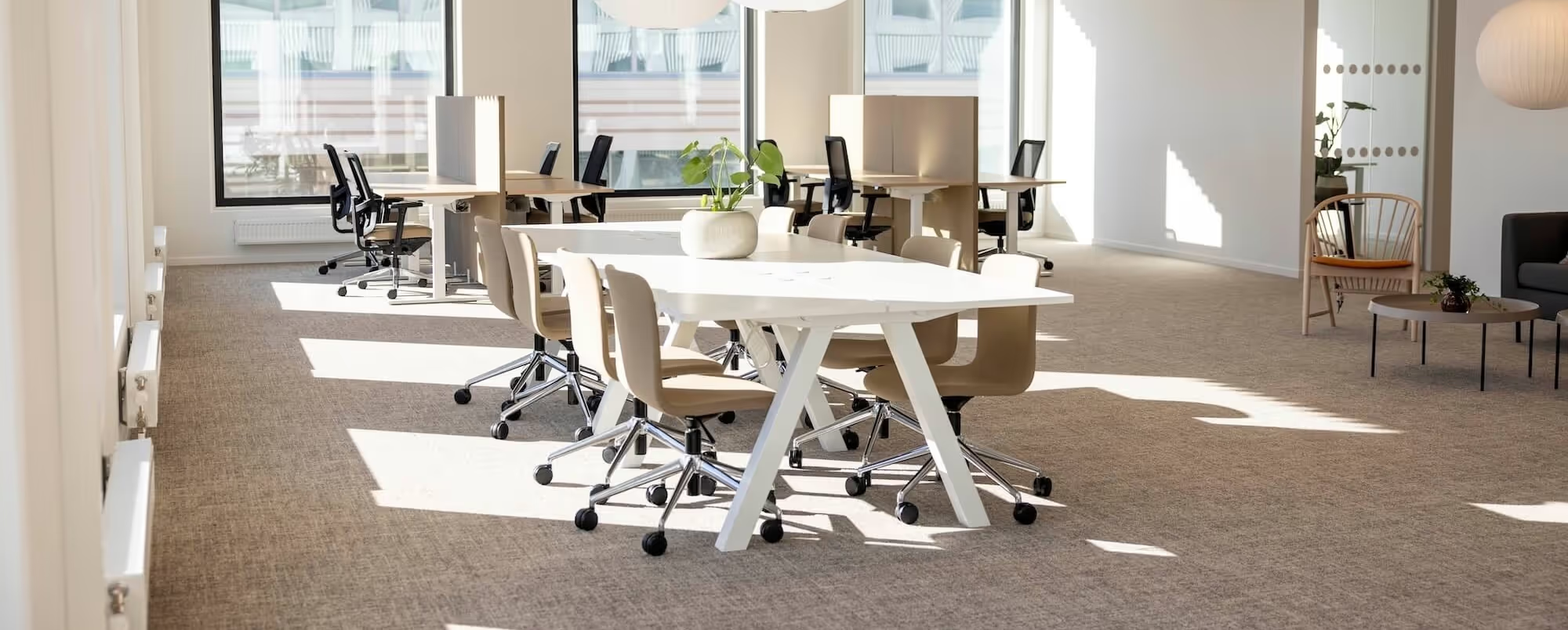
Step 2: Design your zones before choosing specific furniture
Furniture follows function. Before specifying desks and chairs, define the zones your team needs and how much space each should have.
- Workstations: Hot-desking or assigned? How many seats relative to headcount?
- Meeting rooms: How many, what sizes, what technology?
- Breakout and social: Informal seating, kitchen zone, collaborative areas.
- Focus zones: Quiet areas for concentrated individual work.
- Phone and video booths: Acoustic enclosures for calls — consistently underspecified and later regretted.
A furniture subscription provider will design the zones for you based on your floor plan and team requirements — typically returning a 3D proposal within 24-48 hours.
Step 3: Set your specification
Specification determines cost, longevity, and the quality signal your space sends to your team, clients, and candidates. Three broad levels:
- Entry-level commercial: Functional and durable. Suitable where budget is the primary constraint.
- Mid-market: Good ergonomics, design coherence, professional appearance. The appropriate level for most growth-stage businesses.
- Premium: Recognised manufacturers, high ergonomic performance, strong brand signal. Justified where talent attraction and retention are priorities.
Key Takeaways
- Choose your furniture model first — the choice between buying, renting, and subscribing determines everything else.
- Design zones before specifying furniture — function determines form.
- A circular subscription is the most practical model for most new office setups: no upfront capital, fast deployment, and built-in flexibility as your business evolves.
Setting up a new office? Talk to NORNORM — we'll design your space and have it ready for move in.