KI und die Zukunft der Zirkularität: Was wird Skalierung ermöglichen?
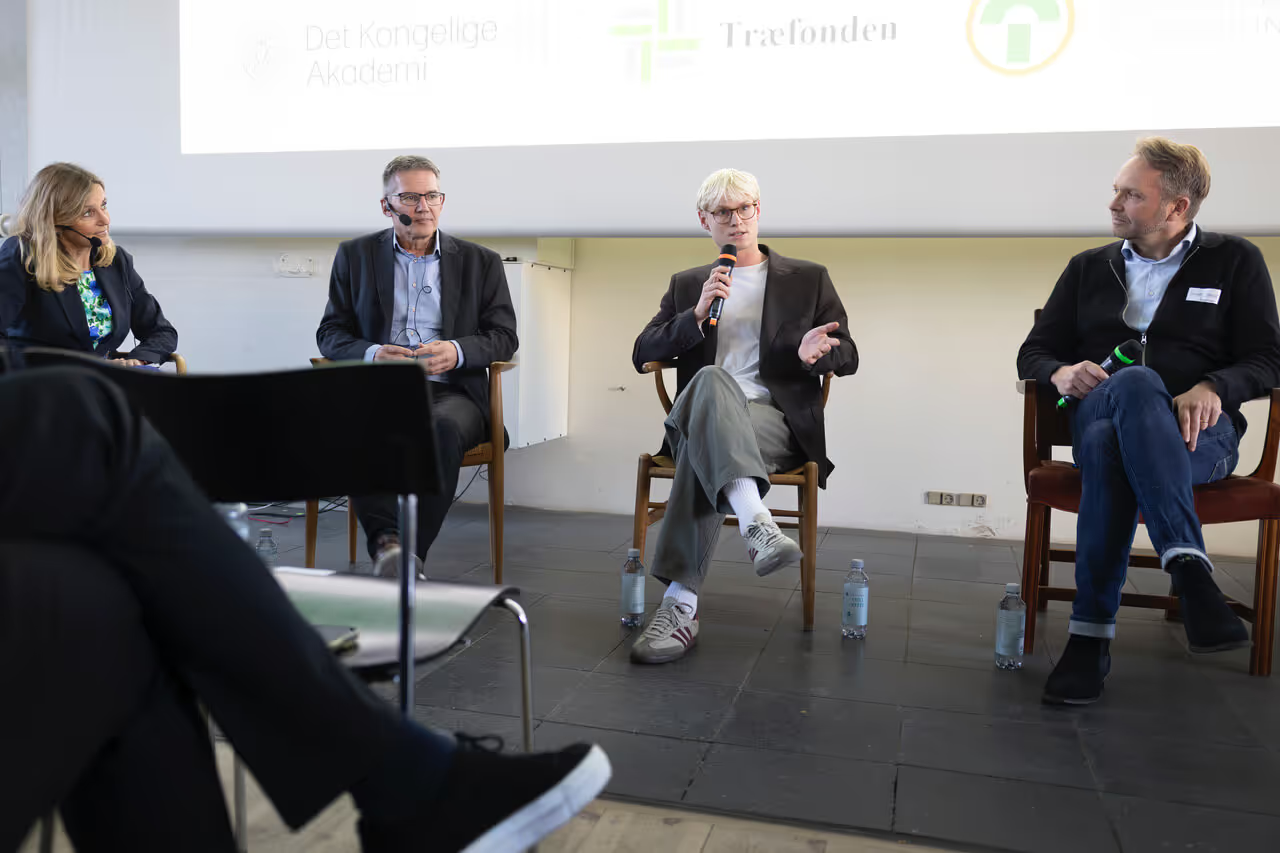
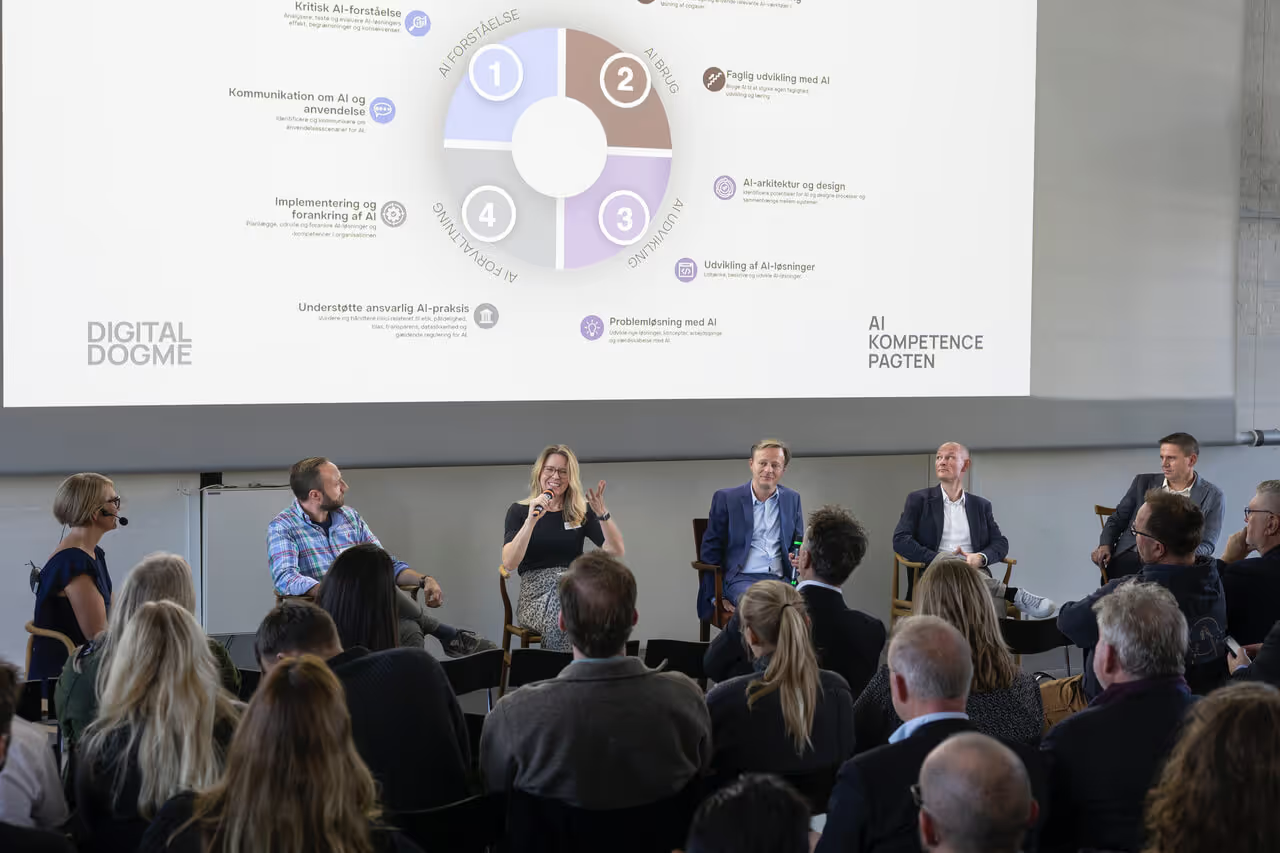
Auf dem Lifestyle & Design Cluster-Seminar in Kopenhagen nahm Anders Jepsen, CEO von NORNORM, an einer Podiumsdiskussion teil, in der untersucht wurde, wie künstliche Intelligenz zirkuläre Geschäftsmodelle beschleunigen kann. Seine Botschaft war klar: KI ist die Technologie, die großflächige Zirkularität möglich machen wird.
Ein Wendepunkt für Zirkularität
Jahrelang hatten zirkuläre Geschäftsmodelle ein enormes Potenzial — doch sie waren schwer skalierbar. Der Grund war nicht mangelnder Ehrgeiz. Es war die Komplexität: Tausende von Produkten über mehrere Lebenszyklen hinweg verfolgen, Nachfrage vorhersagen und Bewegungen in Echtzeit koordinieren. Diese Prozesse waren zu manuell und zu fragmentiert, als dass die Zirkularität ihr volles Potenzial entfalten könnte.
Wie KI die Gleichung verändert
Künstliche Intelligenz bietet ein Maß an Präzision und Vorhersagbarkeit, das kreisförmige Systeme noch nie zuvor hatten. Sie kann vorhersagen, wo Artikel benötigt werden, die Sanierungswege optimieren und den kontinuierlichen Möbelfluss mit weitaus höherer Genauigkeit verwalten.
Für NORNORM bedeutet das, Zehntausende von Artikeln durch die Wiederverwendung, Aufbereitung und Wiederzirkulation zu führen — einfach, zuverlässig und in großem Maßstab.
Ein Wandel, der über den Betrieb hinausgeht
KI rationalisiert nicht nur die zirkuläre Logistik. Sie stellt langjährige Normen in einer weitgehend linearen Möbelindustrie in Frage.
Designrollen, Produktionsmodelle und Wertschöpfung werden sich weiterentwickeln, da intelligente Systeme die Art und Weise beeinflussen, wie sich Produkte bewegen, anpassen und ihren Lebenszyklus verlängern.
Zirkularität wird nicht nur in großem Maßstab möglich, sondern auch wettbewerbsfähiger als herkömmliche Modelle, bei denen man sie verwendet und weggeworfen hat.
Ein neues Kapitel für die Branche
Die Zirkularität tritt jetzt in eine Phase ein, in der Komplexität zu Chancen wird. Die Frage ist nicht mehr, ob zirkuläre Modelle skalierbar sind, sondern wie schnell sich Organisationen anpassen werden.
Bei NORNORM sehen wir KI als natürlichen Partner der Kreislaufwirtschaft — sie hilft uns dabei, eine Zukunft aufzubauen, in der Möbel intelligent fließen, Abfall stark sinkt und Zirkularität wird zur neuen Norm.